FL Lic. # ER13016330 Where Speed Meets Quality Serving all of Collier County

Electrical Code & Safety Guide

How modern electrical code and best practices compare to outdated, unsafe work — and how to keep your home safe and fire-free.

Why It Matters

Built to Today's Standards

Electrical codes evolve for one reason: safety. Each edition of the National Electrical Code (NEC) adds protections learned from real-world fires, shocks, and failures. As a licensed contractor, Lightspeed Electrical Services brings older homes up to current standards and builds new ones the right way the first time.

Below is a plain-English look at common outdated practices versus the current code and best practices for each part of your electrical system — plus the safety and fire-prevention reasons behind them.

Educational use only. Code requirements vary by jurisdiction and by the code edition in force. In Florida, electrical work is enforced through the Florida Building Code, which adopts a specific edition of the NEC. Always verify current requirements with your local authority having jurisdiction (AHJ) — in our area, Collier County — and have work performed and permitted by a licensed electrician. NEC article numbers shown are typical references and may differ in your adopted edition.
Jump to a Topic

Electrical Panels & Service Equipment

NEC Art. 408 / 230 / 240
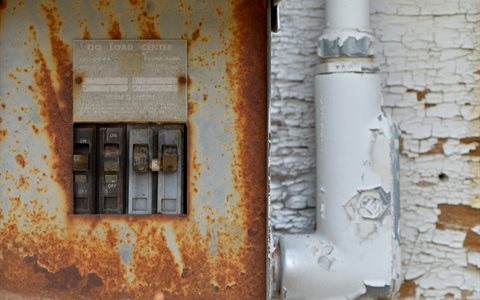
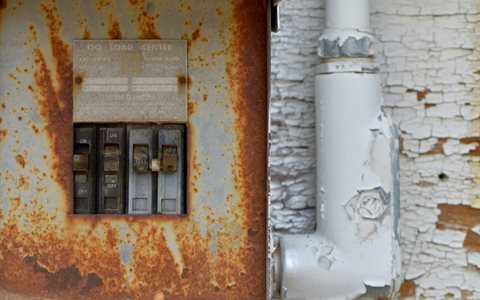
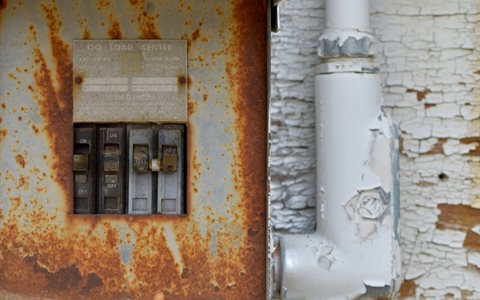
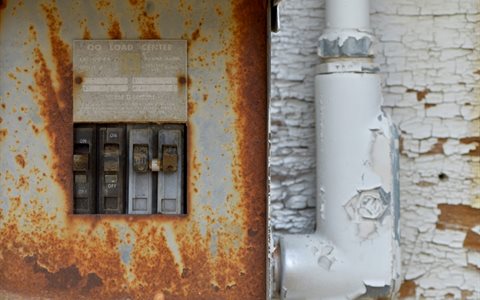
Outdated example: Electrical Panels & Service Equipment
⚠ Outdated / Risk
  • Obsolete Federal Pacific (Stab-Lok) and Zinsco panels prone to breakers that fail to trip
  • Undersized 60-100A services for modern loads
  • Double-tapped breakers and missing main disconnects
  • Rust and corrosion in coastal enclosures
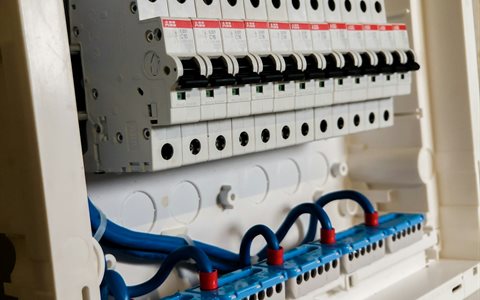
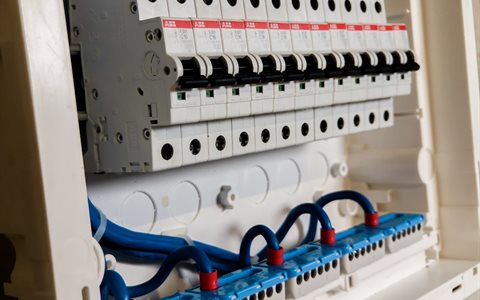
Current best practice: Electrical Panels & Service Equipment
✓ Current Code & Best Practice
  • Properly sized 200A panels with copper bus and labeled directory
  • One listed breaker per circuit, terminations torqued to spec
  • Whole-home surge protection (SPD) now required for dwellings
  • Exterior emergency service disconnect; weatherproof coastal enclosures
Safety & fire prevention: Obsolete FPE and Zinsco panels are a known fire risk because their breakers can fail to trip. Replacing the panel and adding surge protection is one of the highest-impact safety upgrades a home can get.
Breakers & Overcurrent Protection

NEC Art. 240
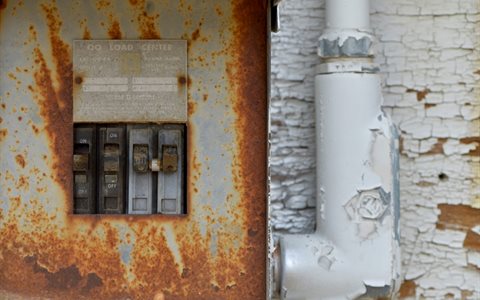
Outdated example: Breakers & Overcurrent Protection
⚠ Outdated / Risk
  • Over-fused circuits and wrong-brand breakers in the panel
  • Double-tapping and shared neutrals
  • Tandem breakers where the panel is not listed for them
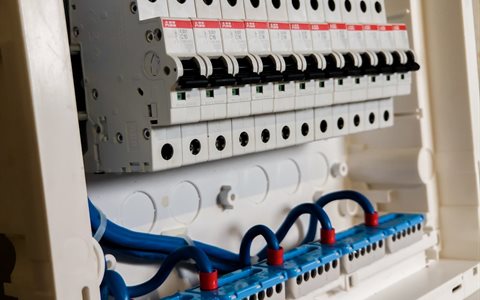
Current best practice: Breakers & Overcurrent Protection
✓ Current Code & Best Practice
  • Listed breakers matched to the panel and the conductor size
  • AFCI and GFCI breakers installed where required
  • No mixing of unlisted brands; correct torque per manufacturer
Safety & fire prevention: An over-fused or mismatched breaker will not trip before the wire overheats - a leading cause of electrical fires. Every breaker must match the wire gauge and the panel listing.

GFCI Protection

NEC 210.8
Outdated example: GFCI Protection
⚠ Outdated / Risk
  • No GFCI at kitchens, baths, garages, or exterior outlets
  • Ungrounded or reverse-wired receptacles near water
  • GFCIs that no longer reset or were never tested
Current best practice: GFCI Protection
✓ Current Code & Best Practice
  • GFCI protection at baths, kitchens, garages, outdoors, laundry, and near sinks
  • Recent code expands GFCI to more 125V-250V outlets and appliances
  • Self-test GFCI devices, tested monthly
Safety & fire prevention: GFCIs cut power in milliseconds when current leaks to ground, preventing electrocution. They are essential anywhere water and electricity can meet.

AFCI Protection

NEC 210.12
Outdated example: AFCI Protection
⚠ Outdated / Risk
  • No arc-fault protection anywhere in the home
  • Loose or damaged connections arcing undetected behind walls
Current best practice: AFCI Protection
✓ Current Code & Best Practice
  • Combination-type AFCI protection on most 120V living-area circuits
  • Dual-function AFCI/GFCI breakers where both are required
  • Coverage for bedrooms, living areas, kitchens, laundry, and more
Safety & fire prevention: Arc faults from damaged or loose wiring are a major fire source. AFCIs detect dangerous arcing and disconnect the circuit before it can ignite.

Grounding & Bonding

NEC Art. 250
Outdated example: Grounding & Bonding
⚠ Outdated / Risk
  • Ungrounded two-prong outlets and cheater adapters
  • Bootleg grounds, missing ground rods, improper pipe grounding
  • Metal water/gas piping and CSST left unbonded
Current best practice: Grounding & Bonding
✓ Current Code & Best Practice
  • Equipment grounding conductor run to every device
  • Two driven ground rods or a Ufer (concrete-encased) electrode
  • Bonding of water/gas piping and an intersystem bonding bridge for data/cable
Safety & fire prevention: Proper grounding and bonding give fault current a safe path and are essential for shock prevention and surge protection. Bootleg or missing grounds are dangerous and will not pass inspection.

Wiring & Materials

NEC Art. 310 / 334
Outdated example: Wiring & Materials
⚠ Outdated / Risk
  • Knob-and-tube and cloth-insulated wiring with deteriorated insulation
  • 1960s-70s aluminum branch-circuit wiring prone to loose, hot connections
  • Undersized conductors and splices made outside of boxes
Current best practice: Wiring & Materials
✓ Current Code & Best Practice
  • Copper conductors sized to the correct ampacity
  • Aluminum feeders terminated with listed connectors and antioxidant
  • All splices in accessible, covered junction boxes
Safety & fire prevention: Aluminum branch wiring and knob-and-tube are associated with overheating at connections. Upgrading or properly remediating them (for example AlumiConn connectors) reduces fire risk.

Lighting Fixtures

NEC Art. 410
Outdated example: Lighting Fixtures
⚠ Outdated / Risk
  • Non-IC recessed cans buried in attic insulation
  • Hot incandescent fixtures and failing fluorescent ballasts
  • Unrated or painted-over fixtures
Current best practice: Lighting Fixtures
✓ Current Code & Best Practice
  • IC-rated, air-tight LED fixtures safe to contact insulation
  • Damp- and wet-rated fixtures where required
  • Dimmable LED retrofits with proper support and box ratings
Safety & fire prevention: Non-IC recessed cans in contact with insulation can overheat and ignite. LED fixtures run far cooler, last longer, and cut energy use.

Landscape Lighting

NEC Art. 411 / 680
Outdated example: Landscape Lighting
⚠ Outdated / Risk
  • Corroded line-voltage fixtures in wet coastal soil
  • Buried, unprotected splices and non-GFCI exterior circuits
  • Undersized or failing transformers
Current best practice: Landscape Lighting
✓ Current Code & Best Practice
  • Low-voltage LED systems with listed, correctly sized transformers
  • Wet-rated, waterproof connectors and proper burial depth
  • GFCI-protected exterior receptacles
Safety & fire prevention: Wet-location-rated, low-voltage LED landscape lighting on GFCI-protected circuits prevents the shock and corrosion failures that are common in coastal Florida.

Data & Networking Equipment

Low-voltage / Art. 800 & 725
Outdated example: Data & Networking Equipment
⚠ Outdated / Risk
  • Phone-grade Cat3 and old coax, daisy-chained runs
  • No central media enclosure; cables run alongside line voltage
Current best practice: Data & Networking Equipment
✓ Current Code & Best Practice
  • Structured wiring with Cat6/Cat6A (and fiber where needed)
  • A central media panel with PoE for cameras and access points
  • Proper separation from power and correct plenum/riser ratings
Safety & fire prevention: Keeping low-voltage data properly separated, rated, and organized prevents interference and code violations - and supports modern smart-home loads.

Fire & Safety Equipment (Smoke/CO)

NFPA 72 / FBC
Outdated example: Fire & Safety Equipment (Smoke/CO)
⚠ Outdated / Risk
  • Single battery-only smoke alarms, no CO detection
  • Non-interconnected units and detectors well past 10 years old
Current best practice: Fire & Safety Equipment (Smoke/CO)
✓ Current Code & Best Practice
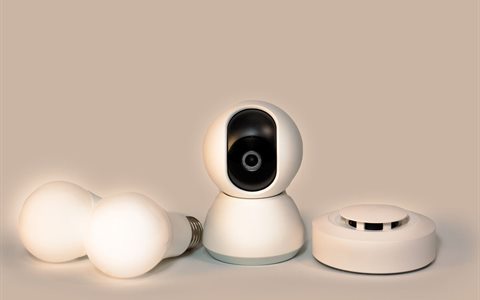
  • Interconnected, hardwired smoke and CO alarms with battery backup
  • When one sounds, they all sound; 10-year sealed units where permitted
  • Correct placement in and near every bedroom and on each level
Safety & fire prevention: Interconnected smoke and CO alarms dramatically improve escape time. Detectors expire - replace smoke alarms every 10 years and CO alarms per the manufacturer.

Security & Alarm Systems

NFPA 72 / Art. 725 & 760
Outdated example: Security & Alarm Systems
⚠ Outdated / Risk
  • Aging hardwired keypads and unencrypted sensors
  • Phone-line dialers and lapsed or dead monitoring
Current best practice: Security & Alarm Systems
✓ Current Code & Best Practice
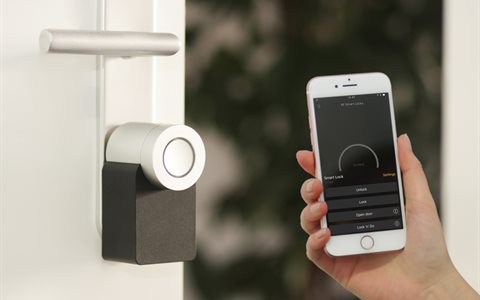
  • Encrypted wireless or hybrid systems with cellular/IP monitoring
  • Smart-home integration and battery backup
  • Life-safety wiring methods where fire alarm is involved
Safety & fire prevention: Modern monitored systems with cellular backup keep working when phone and power lines fail, and they integrate smoke, CO, and cameras for whole-home protection.

Security Camera Systems

Low-voltage / PoE
Outdated example: Security Camera Systems
⚠ Outdated / Risk
  • Low-resolution analog cameras on coax with local-only DVRs
  • No remote access and no backup power
Current best practice: Security Camera Systems
✓ Current Code & Best Practice
  • IP/PoE cameras on structured cabling
  • NVR with secure remote viewing and weatherproof exterior mounts
  • UPS backup so the system keeps recording during outages
Safety & fire prevention: PoE IP camera systems are higher-resolution, reliable, and remotely accessible - and proper cabling and backup keep them recording when you need them most.

Generator Plugs & Standby Power

NEC Art. 445 / 702
Outdated example: Generator Plugs & Standby Power
⚠ Outdated / Risk
  • Suicide cords and back-feeding a dryer or range outlet
  • No transfer means; ungrounded portable units
Current best practice: Generator Plugs & Standby Power
✓ Current Code & Best Practice
  • Listed transfer switch or panel interlock kit with a generator inlet box
  • Correctly sized portable or whole-home standby generators
  • Proper grounding and overcurrent protection
Safety & fire prevention: Back-feeding power can electrocute utility workers and start fires. A transfer switch or interlock with an inlet box is the only safe, code-compliant way to connect a generator.

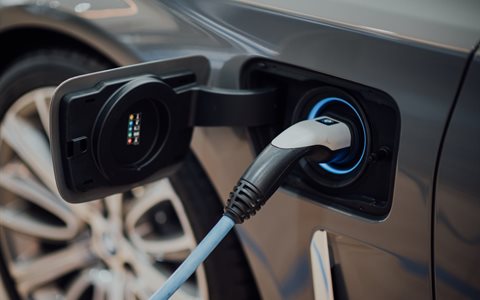
EV Charging Stations

NEC Art. 625
Outdated example: EV Charging Stations
⚠ Outdated / Risk
  • Charging from a standard 120V outlet on a shared circuit
  • No dedicated breaker; overloaded panels
Current best practice: EV Charging Stations
✓ Current Code & Best Practice
  • Dedicated Level 2 (240V) circuit sized for the charger
  • Branch protection per code and outdoor-rated equipment
  • Load calculations and energy management where the service is limited
Safety & fire prevention: EV charging is a continuous high load. A dedicated, properly sized circuit with the right protection prevents overheating and nuisance trips.

High-Voltage Hookups & Service

NEC Art. 230
Outdated example: High-Voltage Hookups & Service
⚠ Outdated / Risk
  • Undersized services and improper feeders to additions or shops
  • Missing disconnects and unpermitted service work
Current best practice: High-Voltage Hookups & Service
✓ Current Code & Best Practice
  • Properly sized service and feeders based on load calculations
  • Listed disconnects for HVAC, pools, and outbuildings
  • Exterior emergency disconnect; permitted and inspected by the AHJ
Safety & fire prevention: High-voltage and service-level work must be sized, permitted, and inspected. An accessible emergency disconnect lets first responders safely cut power to the home.
Protect Your Home

Fire & Safety Prevention Checklist

Simple steps every homeowner can take — and where a licensed electrician should step in.

  • Test GFCI/AFCI devices monthly; replace any that won't reset.
  • Replace smoke alarms every 10 years; CO alarms per the manufacturer.
  • Stop using "cheater" plugs, multi-tap adapters, and daisy-chained power strips.
  • Watch for warning signs: warm outlets/switches, flickering lights, burning smells, repeated tripping.
  • Never back-feed a generator — use a transfer switch or interlock with an inlet box.
  • Add whole-home surge protection and verify grounding/bonding.
  • Have obsolete FPE/Zinsco panels and aluminum branch wiring evaluated.
  • Always permit and inspect service, panel, and high-voltage work.

Questions About Your Electrical System?

We're happy to evaluate your home and explain what's up to code and what isn't — no pressure, just honest answers.

Call 239-961-2935 Request a Quote
Legal

Lightspeed Electrical Services Privacy Policy

This Privacy Policy discloses the privacy practices for lightspeedes.com. This notice applies solely to the information collected by this website. It will notify you of the following:

  1. What personally identifiable information is being collected from you through the website, how it is used and with whom it is shared
  2. What choices are available to you regarding the use of your data.
  3. The security procedures in place to protect the misuse of your information.
  4. How you can correct any inaccuracies in the information.

Information Collection, Use, and Sharing

Lightspeed Electrical Services are the sole owners of the information collected on this website. We only have access to/collect information that you voluntarily give us via email or other direct contact from you. We will not sell or rent this information to anyone.

We will only use your information to respond to you regarding the reason you contacted us. We will not share your information with any third party outside of our organization, other than necessary to fulfill your request, e.g. to ship an order.

Unless you ask us not to, we may contact you via email in the future to tell you about specials, new products or services, or changes to this policy.

Your Access to and Control over Information

You may opt out of any future contacts from us at any time. You can do the following at any time by contacting us via the email address or phone number given on our website:

Security

We take precautions to protect your information. When you submit sensitive information via the website, your information is protected both online and offline.

Whenever we collect sensitive information (such as credit card data) that information is encrypted and transmitted to us in a secure way. You can verify this by looking for a closed lock icon at the bottom of your web browser or looking for “https” at the beginning of the address of the webpage.

While we use encryption to protect sensitive information transmitted online, we also protect your information offline. Only employees who need the information to perform a specific job (for example, billing or customer service) are granted access to personally identifiable information. The computers/servers in which we store personally identifiable information are kept in a secure environment.

If you feel that we are not abiding by this Privacy Policy, you should contact us immediately via telephone at 239-961-2935 or via email at LightspeedESLLC@aol.com.

📞 Call Now